
November 30, 2023
The Grandeur of Diversity: Unveiling the Architectural Marvels of Belgium
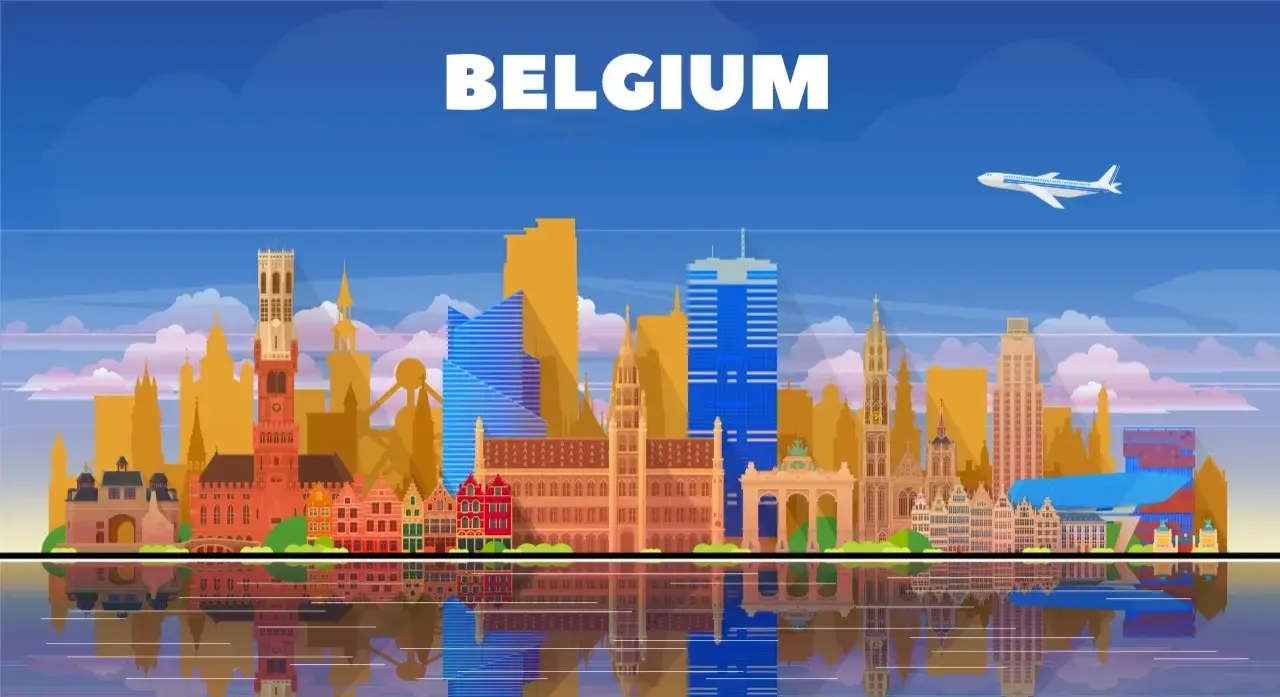
Nestled in the heart of Europe, Belgium is a country that enchants visitors with its rich cultural heritage, medieval cities, and a tapestry of architectural styles that seamlessly blend tradition with innovation. From the cobbled streets of Bruges to the cosmopolitan charm of Brussels, Belgium's architectural landscape is a captivating journey through centuries of history and artistic expression.
1. Gothic Grandeur: Bruges and Ghent
Much like the history of indian architecture, Belgium is renowned for its well-preserved medieval cities, where Bruges and Ghent stand out as epitomes of Gothic grandeur. The Belfry of Bruges, with its iconic tower, and St. Bavo’s Cathedral in Ghent, home to the famous Ghent Altarpiece, showcase the intricate detailing and soaring spires. The medieval guild houses lining the canals of Bruges add to the charm, creating a fairy-tale atmosphere that transports visitors back in time.
2. Renaissance Splendor: Antwerp and MechelenAntwerp, the city of Rubens, boasts a wealth of Renaissance architecture. The Cathedral of Our Lady, a stunning example of Gothic and Renaissance styles, houses masterpieces by the famed artist Peter Paul Rubens. The Grote Markt in Antwerp, with its guild houses and the Brabo Fountain, exemplifies the opulence and architectural refinement of the Renaissance era. Nearby Mechelen also preserves Renaissance gems like the St. Rumbold’s Cathedral, contributing to the architectural richness of the region.
3. Art Nouveau Elegance: BrusselsBrussels, the capital of Belgium, is a melting pot of architectural styles, notably Art Nouveau. The work of Victor Horta, including the Hôtel Tassel, showcases the sinuous lines and ornate detailing. Today, documenting these historic facades is simplified using cloud storage for architectural drawings. The city remains a treasure trove of Art Nouveau, each building a testament to the creative freedom and innovation that defined the turn of the 20th century.
4. Surrealist Splendor: Magritte Museum and AtomiumBelgium is not just about historical architecture; it embraces the avant-garde with enthusiasm. The Magritte Museum in Brussels, dedicated to the surrealist artist René Magritte, is a blend of modern design and surrealism. The Atomium, an iconic structure built for the 1958 World Expo, is a testament to Belgian ingenuity and innovation. Its futuristic design and interconnected spheres symbolize an optimistic vision of progress and collaboration.
5. Modern Marvels: European Quarter in BrusselsThe European Quarter in Brussels reflects Belgium’s role as a political hub. Modern architecture here combines functionality with contemporary aesthetics, projects often managed using advanced project management software for architects. The Berlaymont building, hosting the European Commission, and the Europa building, housing the Council of the European Union, showcase sleek lines and innovative design in the heart of this vibrant European capital.
6. Industrial Heritage: Grand Hornu and Bois-du-LucBelgium’s industrial heritage is preserved in sites like Grand Hornu, showcasing early eco friendly space planning tips in industrial design. These former coal-mining complexes, now UNESCO World Heritage Sites, provide a glimpse into Belgium’s past, featuring remarkable brickwork, large chimneys, and well-planned infrastructure.
7. conclusionBelgium’s architectural diversity celebrates its rich history and contemporary innovation. Whether managing modern builds with a turnkey project costing tool or running an office with architecture firm billing software, today’s designers draw endless inspiration from these landmarks. Belgium’s marvels bridge the past and present, inviting visitors to explore a country where tradition and innovation coexist harmoniously, creating a visual feast for lovers of art and history alike.