
November 13, 2023
Harnessing Efficiency the Crucial Role of Data and Project Management Software in Architecture and Interior Design
In the dynamic realms of architecture and interior design, from studying the rich history of indian architecture to executing modern spaces, effective data and project management is vital. As the industry evolves, professionals rely on project management software for architects to streamline workflows, enhance collaboration, and ensure seamless execution. These innovative solutions serve as indispensable tools that empower designers to transform their creative visions into reality with efficiency and precision.
1. Organizing Chaos: Cloud Storage for Architectural Drawings and Data
At the heart of every successful architectural or interior design project lies a vast amount of data—blueprints, design specifications, material details, and client preferences. Managing this data manually can be a Herculean task, prone to errors and oversights. Utilizing secure cloud storage for architectural drawings acts as a digital backbone, providing a centralized repository for all project-related information. From 3D models to project timelines, architects and designers can access critical data at their fingertips, ensuring accuracy and consistency throughout the project lifecycle.
2. Enhancing Collaboration: Project Management Software for Architects in ActionEffective communication and collaboration are the keystones of successful architectural and interior design projects. Implementing dedicated project management software for architects facilitates seamless collaboration among team members, regardless of their physical locations. Real-time updates, document sharing, and communication channels within the software break down silos and foster a collaborative environment. This not only enhances productivity but also minimizes the risk of miscommunication, ensuring that every team member is on the same page throughout the project.
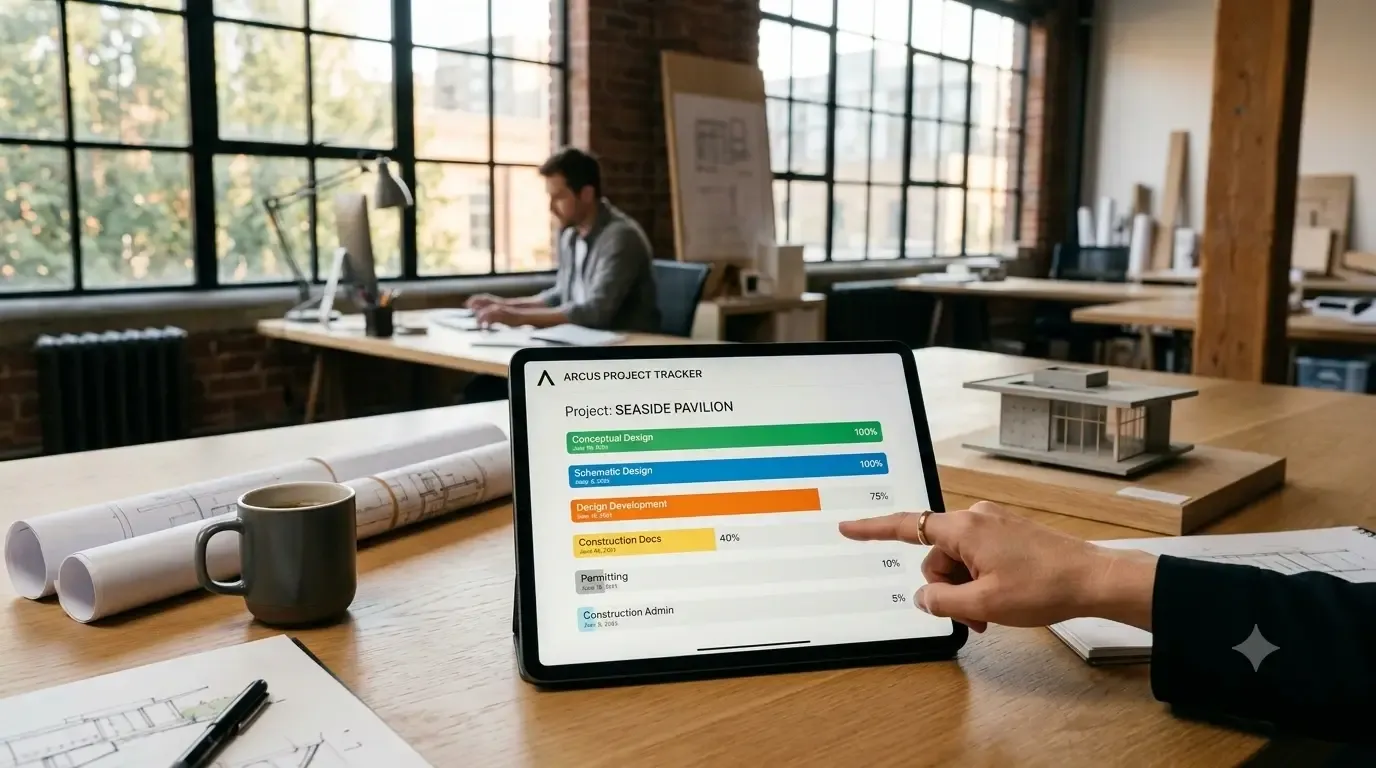
3. Streamlining Workflows: Eco Friendly Space Planning TipsThe intricate nature of architectural and interior design projects demands a structured workflow. Modern project management software helps streamline these workflows, from the conceptualization phase to the final execution. Whether you are implementing eco friendly space planning tips or tracking complex design iterations, client feedback and revisions can be managed efficiently. This reduces the risk of errors and delays, allowing architects and designers to optimize their time and efforts for maximum efficiency.
4. Budgetary Control: Turnkey Project Costing Tool and SoftwareIn an era where budgets are tight and resources are precious, effective financial management is paramount. Utilizing a turnkey project costing tool for designers alongside robust architecture firm billing software provides essential tools for budget tracking, expense management, and resource allocation. Architects and interior designers can set realistic project budgets, monitor expenditures, and identify areas where cost savings can be realized. This strategic approach ensures financial viability and enhances client satisfaction by delivering projects within budgetary constraints.
5.Risk Mitigation: Identifying and Addressing ChallengesEvery project comes with its own set of challenges and uncertainties. Project management software allows architects and interior designers to identify potential risks early in the project lifecycle. By maintaining a comprehensive risk register, professionals can proactively address challenges before they escalate, ensuring the smooth progression of the project. This risk mitigation approach enhances the overall project resilience and contributes to client satisfaction.
6.Client Engagement and Satisfaction: Meeting and Exceeding ExpectationsIn the competitive landscape of architecture and interior design, client satisfaction is a key differentiator. Data and project management software enable architects and designers to keep clients informed, engaged, and satisfied throughout the project. Real-time updates, interactive 3D models, and collaborative design tools create an immersive experience for clients, allowing them to visualize and contribute to the project. This transparency builds trust and enhances client satisfaction, paving the way for positive referrals and long-term partnerships.
Conclusion:In the fast-paced world of architecture and interior design, where creativity intersects with precision, the adoption of data and project management software is not merely a choice but a strategic imperative. These software solutions empower professionals to navigate the complexities of their projects with finesse, ensuring efficiency, collaboration, and client satisfaction. As the industry continues to evolve, architects and interior designers who harness the power of innovative management tools will find themselves not only meeting but exceeding the expectations of their clients and stakeholders.